Future Resilience is a wellbeing program for organisations across all industries, designed to provide the widest range of employees with practical tools for building resilience in facing both professional and personal challenges. It combines educational wellbeing workshops with individual psychological support. Organisations that meet the wellbeing support criteria are awarded the Future Resilience certificate as a recognition of their systematic commitment to employee wellbeing.

Future Resilience wellbeing program
Contact usFUTURE RESILIENCE
Employee wellbeing program
WHAT DO YOU GET
What does Future Resilience include?
1

Wellbeing workshops
A package of 5 workshops (2 hours) of your choice focused on resilience, stress management and burnout prevention. Employees receive practical tools applicable in everyday work.
2

Psychological support (EAP)
Confidential telephone support of psychologists and psychotherapists for employees. It helps manage stress and challenges and contributes to mental health and productivity.
3

Future Resilience certificate
Acknowledging your investment in employee wellbeing helps your employer branding and fosters a healthy organizational culture.
Choose your wellbeing workshops
Program 1: Thoughts and emotions
1. Emotional intelligence
2. Building assertiveness
3. Preventing stress and burnout
4. Coping with change
5. Empathy for a more satisfied team
Program 2: Organization of thoughts
1. How to deal with uncertainty
2. Anxiety prevention
3. Overthinking and problem-solving
4. Mindfulness and relaxation techniques
5. Importance of relationships
Program 3: Life skills
1. Managing household budget
2. Improving quality of life and health
3. Building friendships
4. Building partnerships
5. Critical thinking in a changing world
Program 4: Family, Parenting and Care
1. Emotional development of the child
2. Setting boundaries
3. The importance of a father's role
4. Mental health in the family
5. Family care through different life stages
Program 5: Diversity, Equity & Inclusion
1. Gender diversity
2. Intercultural diversity
3. Accessibility and disability
4. Cognitive diversity
5. Age diversity
Program 6: Multigenerational Cooperation
1. Understanding generations
2. Differences in life stages
3. Age and stereotypes
4. Intergenerational dialogue
5. New generations in the workplace
Employee Support
Psychologists with experience in in stress prevention answer individual personal questions and provide support in dealing with current stressors that can be of a private or business nature.
Counselling is done by phone and is completely anonymous, and all information is kept between the participant and the psychologist.

Recognition
By joining the Future Resilience program, the organization receives the Future Resilience certificate for a period of 12 months, under the following conditions:
- at least 10% of employees participate in the educational modules
- psychological support is available to all employees
The employer branding package includes a certificate and a digital badge for:
- communicating the importance of mental health through internal and external channels
- highlighting the organization’s commitment to employee wellbeing (website, job ads, LinkedIn)

Client Trust
We deliver the Future Resilience program in collaboration with employers who aim to systematically support the wellbeing and resilience of their employees. The program provides wellbeing support accessible to everyone in the organization — from operational and production workers to specialists and managers.




FAQ
Who is Future Resilience designed for?
Who is Future Resilience designed for?
Future Resilience is a wellbeing program designed for the broadest employee population — from operational and production teams to specialists and managers. We adapt the content and delivery to working conditions (shift work, multiple locations, varying access to digital channels).
In which formats is the program delivered?
In which formats is the program delivered?
The program is delivered in two formats:
- In-person (on-site / shift-based) — 2-hour workshops, particularly suitable for operational and production teams. The recommended group size is up to 20 employees to ensure interactivity and space for questions.
- Asynchronous via an AI digital platform — for employees who have access to digital channels and prefer to participate at their own pace.
When needed, we combine formats to achieve maximum reach.
What are the requirements for obtaining the certificate?
What are the requirements for obtaining the certificate?
The certificate confirms that the organization has implemented the Future Resilience wellbeing standard (minimum reach and support requirements).
To be eligible for certification, the organization must:
- include at least 10% of employees in wellbeing workshops, and
- provide psychological support to all employees (availability for 100% of the workforce).
How long is the certificate valid?
How long is the certificate valid?
The certificate is valid for 12 months. Renewal is planned through continued activities and verification of reach and employee support availability.
What benefits does Future Resilience bring to employees?
What benefits does Future Resilience bring to employees?
The program provides employees with practical tools for stress management, recovery, and maintaining a sustainable pace during periods of high workload. In practice, this results in more energy and focus, better communication, and a greater sense of control over daily life — and the effects often extend to the quality of relationships and family functioning (less “spillover” of work-related stress into private life).
What benefits does Future Resilience bring to employers?
What benefits does Future Resilience bring to employers?
For employers, the impact is most often seen in reduced absenteeism and overload, improved collaboration and team climate, better employee retention, and a stronger employer brand.
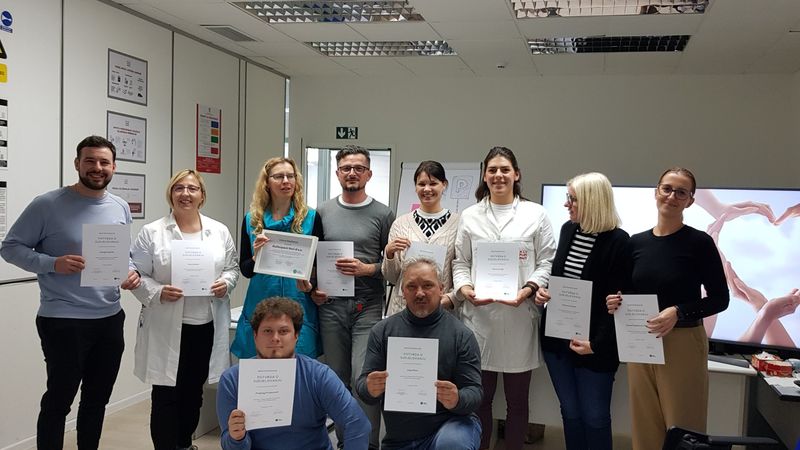
Do you want to measure the impact of the Future Resilience program?
Check how the implementation of the Future Resilience program impacts satisfaction, engagement, and organizational climate in your company!
Include measurement through our employee climate and engagement survey before and after implementation, with predictive analytics and recommendations for next steps.
Organizational climate and engagement surveyProgram Overview & Learning Content
Emotional intelligence
Emotional intelligence
- recognizing emotional states
- understanding the role of emotions
- managing emotions
- using emotions for personal development and more effective coping with challenges
Building sssertiveness
Building sssertiveness
- becoming aware of one’s communication style
- clearly communicating needs and boundaries
- ensuring mutual understanding
- constructively managing relationships
Preventing stress and burnout
Preventing stress and burnout
- becoming aware of personal stressors
- thoughts that lead to unpleasant emotions and reactions
- the impact of stress on health
- reducing symptoms and causes of stress
Coping with change
Coping with change
- understanding the roots and process of change
- personal response to change
- understanding resistance to change
- viewing change as an opportunity for growth and development
Building a more satisfied team through empathy
Building a more satisfied team through empathy
- the importance of empathy in the workplace
- listening to others and understanding what is being communicated indirectly
- recognizing the potential in diversity
- how to be both empathetic and assertive at the same time
How to cope with uncertainty?
How to cope with uncertainty?
- understanding stressful and traumatic situations
- becoming aware of emotional and physical states during stress reactions
- techniques for managing emotions
- fostering optimism
Preventing anxiety
Preventing anxiety
- understanding feelings of being overwhelmed
- understanding the connection between thoughts, emotions, and behavior
- recognizing maladaptive worries and thoughts
- introduction to mindful working and relaxation techniques
Overthinking and problem-solving
Overthinking and problem-solving
- how to stop replaying the same thoughts
- effective thinking strategies and techniques for rumination
- constructive management of worries and thoughts
- problem-solving techniques
Mindfulness and relaxation techniques
Mindfulness and relaxation techniques
- mental overload and mindful working
- distraction techniques
- relaxation techniques
- relaxation and energy management
- grounding techniques
Resilience and the importance of relationships
Resilience and the importance of relationships
- our path to building resilience
- relationships as a key factor
- humor as a coping mechanism
- strengthening oneself through helping others
Managing a household budget
Managing a household budget
- financial literacy
- adapting to a higher cost of living
- effective saving techniques
- becoming aware of spending habits
Improving quality of life and health
Improving quality of life and health
- becoming aware of unhealthy and maladaptive habits
- how to change a habit
- adopting healthy habits for mental and physical wellbeing
- psychological principles of habit change
Building friendships
Building friendships
- recognizing the value of friendship
- how to improve mutual communication
- friendship and conflict
- what to do when a friendship comes to an end
Building partnerships
Building partnerships
- becoming aware of relationship quality and satisfaction
- recognizing one’s own and partner’s needs in the relationship
- jealousy and building trust in a relationship
- how to nurture a harmonious romantic relationship
- relationship breakups and grieving
Critical thinking in a changing world
Critical thinking in a changing world
- biases and logical fallacies – misconceptions we are not aware of
- critical thinking tools – how to think more effectively
- how to recognize fake news and why it matters
- applying critical thinking in everyday life
Child emotional development
Child emotional development
- emotional and cognitive development of a child – key things to know
- most common challenges for children and parents
- how to foster a child’s emotional intelligence
- how to respond in challenging situations
Setting boundaries
Setting boundaries
- challenges of raising children in today’s world
- parenting styles – differences between past and present
- most common pitfalls of modern parenting
- which approaches are most effective – discipline, punishment, rewards, etc.
The importance of the father’s role
The importance of the father’s role
- current research and insights into the importance of fathers in child development
- barriers to greater father involvement
- best ways to build the father–child relationship
- what to do when the father is not present in the family
Mental health in the family
Mental health in the family
- prevalence of mental health issues and stigma
- most common challenges across different life stages (birth of a child, early childhood and starting kindergarten/school, adolescence, leaving the parental home, peri/menopause, retirement, loss of parents, old age)
- how to prevent difficulties and where to seek help
- how to cope with mental health issues in the family – what to do and what not to do
Family care across life stages
Family care across life stages
- the needs of family members across different life stages (childhood, adolescence, adulthood, older age)
- challenges of balancing family and work responsibilities during periods of increased demands
- sources and ways of support within the family and distribution of responsibilities
- institutional sources of support
Gender diversity
Gender diversity
- gender, sex, and gender roles
- gender equality
- the role of gender in professional life
- awareness of discrimination and anti-discrimination measures
Intercultural diversity
Intercultural diversity
- different cultures and values
- preventing stereotypes and prejudice
- intercultural communication
- cooperation and inclusion
Accessibility and inclusion of persons with disabilities
Accessibility and inclusion of persons with disabilities
- disability, accessibility, and inclusion
- legal frameworks and standards
- accessible infrastructure
- communication and sensitivity
- the role of the community
Cognitive diversity
Cognitive diversity
- neurodiversity and inclusion in the workplace
- personality differences
- Belbin Team Roles
- challenges and barriers
- benefits and promoting cognitive diversity
Age diversity
Age diversity
- awareness of generations
- age stereotypes
- a workforce made up of different age groups
- mentoring and intergenerational collaboration
- generational differences in communication
Understanding generations
Understanding generations
- overview of generational groups and their key characteristics – similarities and differences
- how technological, political, social, and cultural changes have shaped generations
- values, motivation, and communication styles across generations
- benefits of generational diversity in the workplace
Differences in life stages
Differences in life stages
- characteristics and developmental tasks of different life stages
- changes in priorities, responsibilities, and life roles over time, and challenges of adaptation
- psychological, social, and professional needs at different life stages
- understanding and supporting people in different life circumstances
Age and stereotypes
Age and stereotypes
- most common stereotypes and prejudices related to age – truths and misconceptions about younger and older people
- the impact of stereotypes in the workplace on performance
- raising awareness and recognizing age discrimination
- developing an inclusive approach toward people of different ages
Intergenerational dialogue
Intergenerational dialogue
- how to achieve open communication between generations
- overcoming communication barriers and misunderstandings
- best methods for fostering dialogue between generations
- ways to strengthen trust and collaboration in the workplace
New generations in the workplace
New generations in the workplace
- values, expectations, and work habits of new generations of employees – changes in approaches to work
- managing and motivating younger employees
- Generation Z is not to blame for everything - Adapting organizational culture and the work environment to new generations
- collaboration and knowledge transfer between generations in the workplace